
CASE 01
If your eye size is asymmetrical or
you are concerned about uneven eyes

 Surgery TimeApprox. 30 min - 1 hr
 Anesthesia MethodLocal & Sedation Anesthesia
 Suture removalAfter 3-5 days
 Recovery PeriodApproximately 3-7 days
* Surgery time and recovery period may vary individually.
Clear and Defined Eyes by Improving Eyelid Opening Strength
Ptosis correction is not merely a surgery to create a double eyelid line;
when the strength to open the eyes is insufficient and the iris is not exposed enough,
it is a procedure that functionally improves eyes that look sleepy or heavy.
In cases where the strength of the eyelid muscles that open the eyes is weak,
the pupil may be largely covered, making it difficult to give a clear impression.
After meticulously checking the condition of the eyes, muscle strength, and eyelid height,
the strength of the eye-opening muscles is appropriately adjusted to correct the eyes so they can open more comfortably and clearly.
Rather than simply making the eyes bigger, considering the individual's eye structure and overall facial balance,
the core of ptosis correction is to create natural, clear, and not overdone eyes.


Normally, when the eyes are comfortably open, the black pupil is sufficiently exposed, creating a clear impression.
However, if less than 80% of the pupil is exposed, or if the eyelid covers the pupil by more than 1-2mm,
insufficient strength to open the eyes can make one appear sleepy or tired.
If your eye size is asymmetrical or
you are concerned about uneven eyes

When sagging eyelids and wrinkles
are a concern

When the eyelid covers
much of the iris

When using the power of the eyebrow and forehead muscles
to open and close eyes, resulting in forehead wrinkles
We meticulously analyze the cause of previous surgeries and the current eye condition to
improve it into a natural line suitable for each individual's eyes.

Incisional Ptosis Correction + Sausage Eye Correction
4 Months Post-Surgery

Non-Incisional Ptosis Correction + Epicanthoplasty + Upper Eyelid Fat Grafting
7 Months Post-Surgery
This photo is an actual surgical case, and surgical results and recovery progress may vary by individual.
The procedure method and recovery vary depending on whether an incision is made.

Without skin incision, naturally correct ptosis
by adjusting the muscles that open the eyes

Making an incision in the skin for
ptosis correction
 STEP 01
Before Surgery
1:1 Customized Consultation & Design
 STEP 02
Creation of a subtle groove
on the upper eyelid
 STEP 03
Through a tiny incision, the double eyelid line and
muscle are pulled up and fixed.
 STEP 04
Achieve naturally refreshed and
clearer eyes
STEP 01
Before Surgery
1:1 Customized Consultation & Design
 STEP 02
According to the design
Incision and Removal of Unnecessary Fat
 STEP 03
Knotting the eye-opening muscle in the appropriate position
and forming a line
STEP 04
Achieve naturally refreshed and
clearer eyes
Recovery is managed with the same care as the surgery. This is CLYVE's post-operative recovery program.
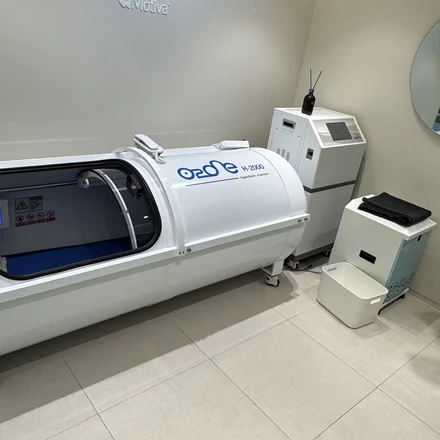
Hyperbaric Oxygen TherapyHyperbaric Chamber
Hyperbaric oxygen therapy is a program that helps supply oxygen to tissues, enabling more systematic management of the recovery process. It is provided for a more comfortable recovery after surgery.
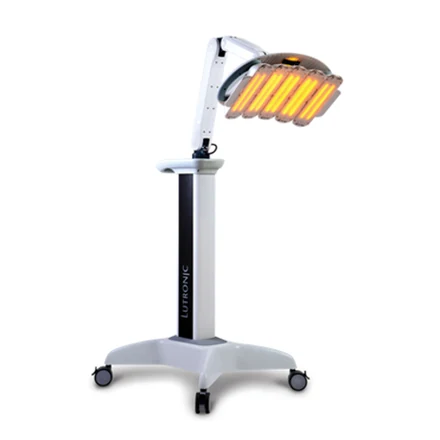
HealiteSmart LUX
Utilizing specific wavelengths of energy, it aids cell activation and tissue recovery, as well as alleviating post-surgical swelling and bruising, and can help with skin regeneration and scar management.
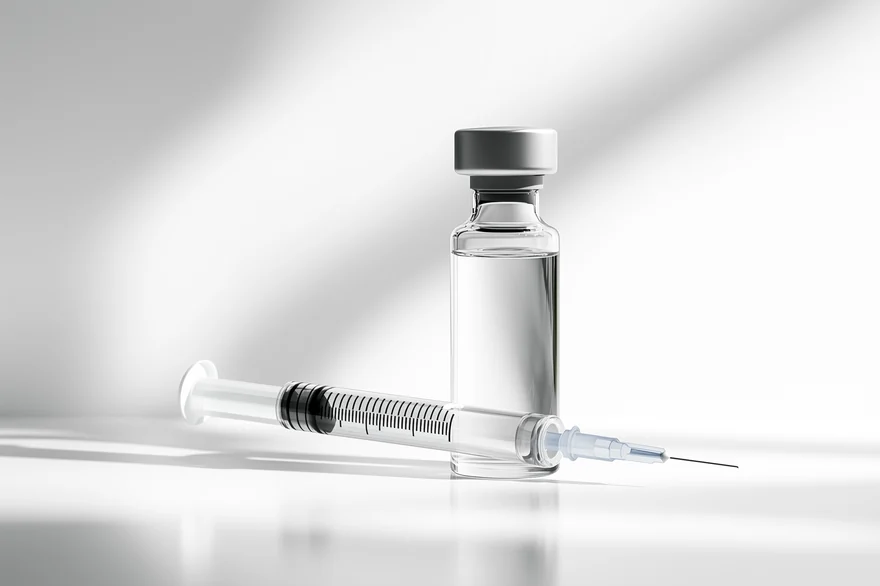
Scar InjectionScar Injection
If the scar at the incision site becomes firm or red after surgery, scar injections can help alleviate excessive scar tissue proliferation, promoting a smoother and more stable recovery.
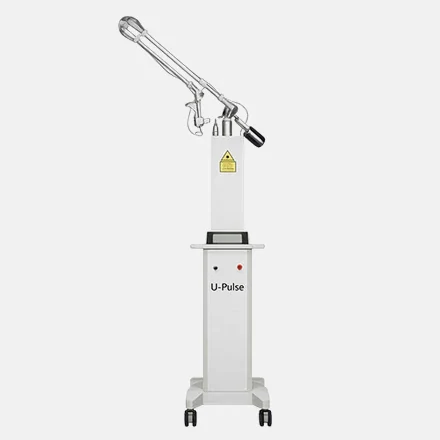
Scar Management LaserFractional CO2
After surgery, laser care is performed on the incision area to aid skin regeneration and tissue recovery, supporting stable healing.
The post-operative care program may vary depending on the scope of surgery and recovery progress, and detailed information will be provided during consultation.
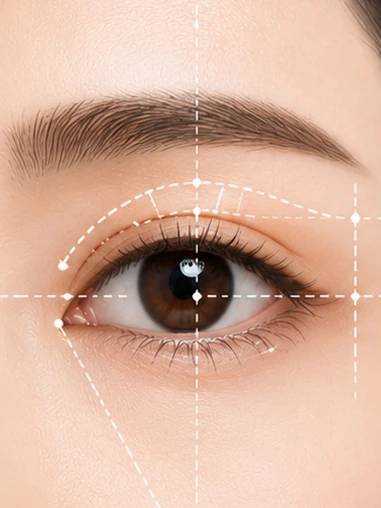
We don't just consider eye size; we meticulously check the degree of eyelid sagging, pupil exposure, eye-opening strength, and left-right asymmetry to design the optimal correction for each individual.
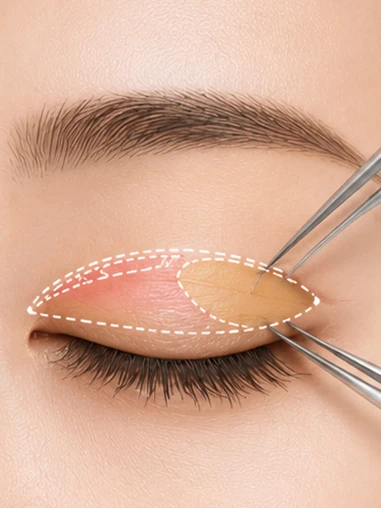
Considering the strength of the eye-opening muscles and eyelid tissue, we delicately adjust only as needed to create clear, natural-looking eyes without overcorrection.
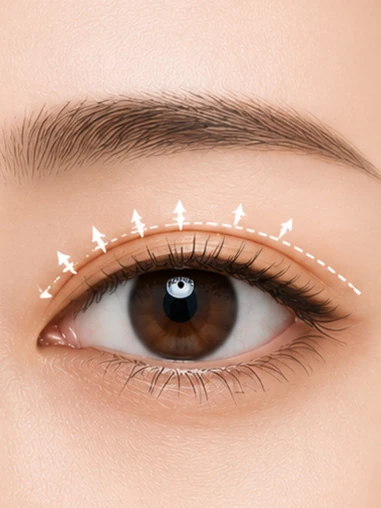
Rather than performing ptosis correction independently, we consider the length and shape of the eyes, double eyelid line, and degree of pupil exposure to design an eye shape that naturally harmonizes with the face.
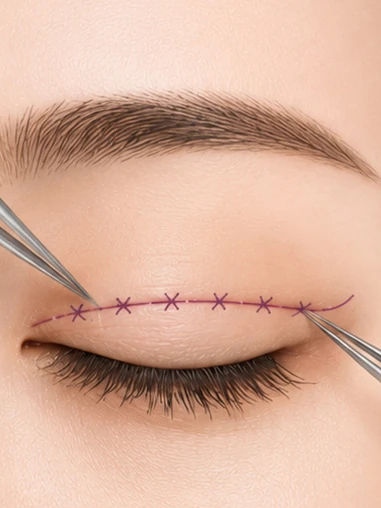
Instead of simply making the eyes open wide, we plan an appropriate degree of correction to achieve a natural and clear impression when the eyes are comfortably open.