
CASE 01
By adjusting eyebrow position and angle
An impression that looks fierce or droopy

 Surgery TimeApproximately 1 hour 30 minutes
 Anesthesia MethodLocal & Sedation Anesthesia
 Suture removal2 Weeks Post-Surgery
 Recovery Period1-2 weeks after surgery
* Surgery time and recovery period may vary individually.
Lifting and Eye Shape Improvement at Once
A forehead lift is not simply a surgery that pulls sagging skin or muscles.
As the forehead, eyebrows, and eyelids sag due to aging, opening the eyes becomes uncomfortable.
To compensate for this, a habit of raising the eyebrows develops,
which can deepen wrinkles on the forehead and glabella.
Endoscopic Forehead Lift is a surgery that precisely excises and dissects the muscles and retaining tissues that pull the forehead and eyebrows downwards,
alleviating the downward pulling force. Then,
it lifts and fixes the sagging forehead and eyebrows to a natural position.
Through this, it can improve not only sagging eyelids but also sagging of the forehead and eyebrows,
as well as forehead, frown, and crow's feet wrinkles.
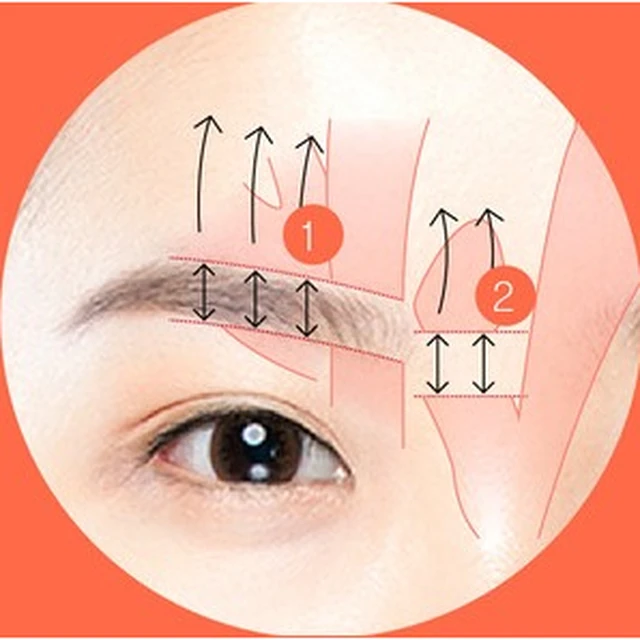
Depending on the location where sagging began, the approach and incision line vary.
By adjusting eyebrow position and angle
An impression that looks fierce or droopy

Eyes that appear small and heavy
due to eyebrow and eyelid sagging.

Glabellar, Forehead Wrinkles
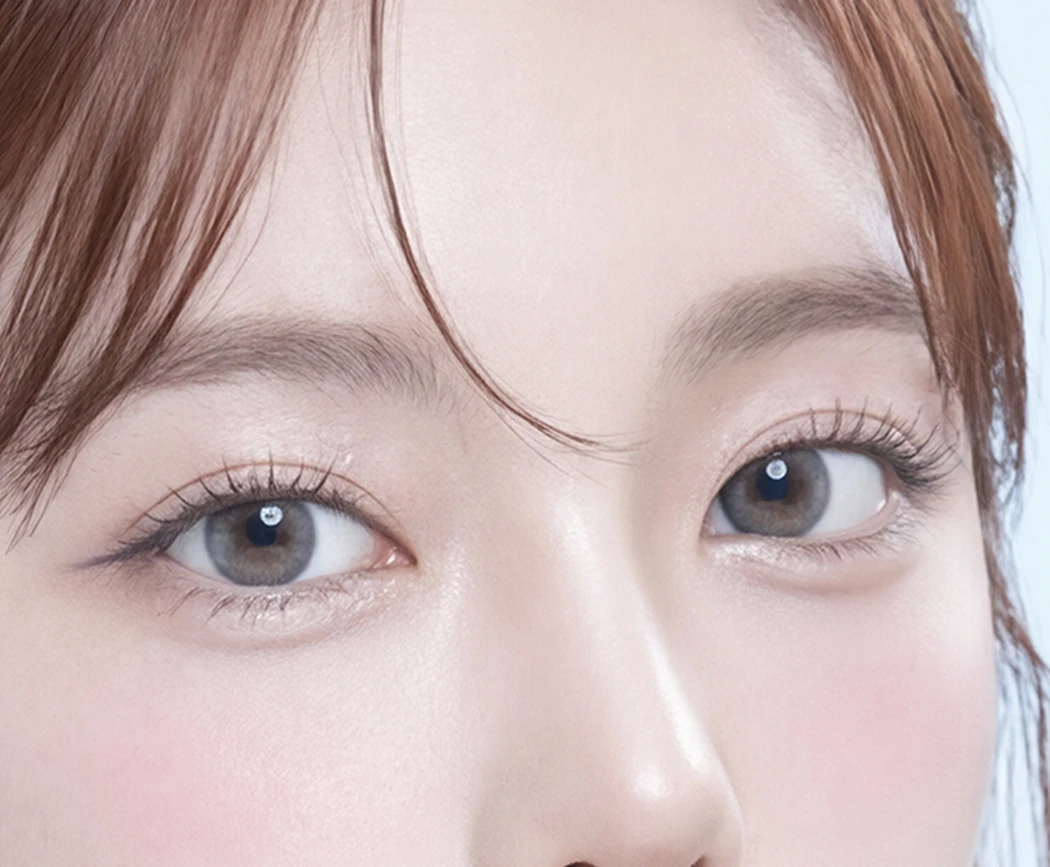
Most people are affected by their 'eyebrows'. If the eyebrows have sagged and only the sagging eyelids are improved with double eyelid surgery, the eyes and eyebrows become excessively close, creating an unnatural impression.
Thorough analysis and improvement of eyebrow position and shape, the distance between eyebrows and eyes, and forehead width and shape — this is CLYVE Endoscopic Forehead Lift.
* This image is an example for illustrative purposes, and treatment results may vary by individual.

Minimum incision of about 1-2cm
at 5 points inside the hairline

Meticulous and precise dissection of the forehead and under the eyebrows
using an endoscope.

The muscles that cause wrinkles and
the sagging parts of the forehead are pulled up and fixed

Lifting sagging eyebrows and eyelids
to improve forehead, glabella, and eye wrinkles
 Endotine
After fixing Endotine to the forehead bone,
a method of pulling up and fixing the fascia and tissue.
 Main tunneling
A method of fixing forehead tissue by making small holes in the forehead bone
and using dissolvable threads.
The fixation method is determined through a 1:1 consultation and examination, based on the forehead and scalp condition and the degree of sagging.
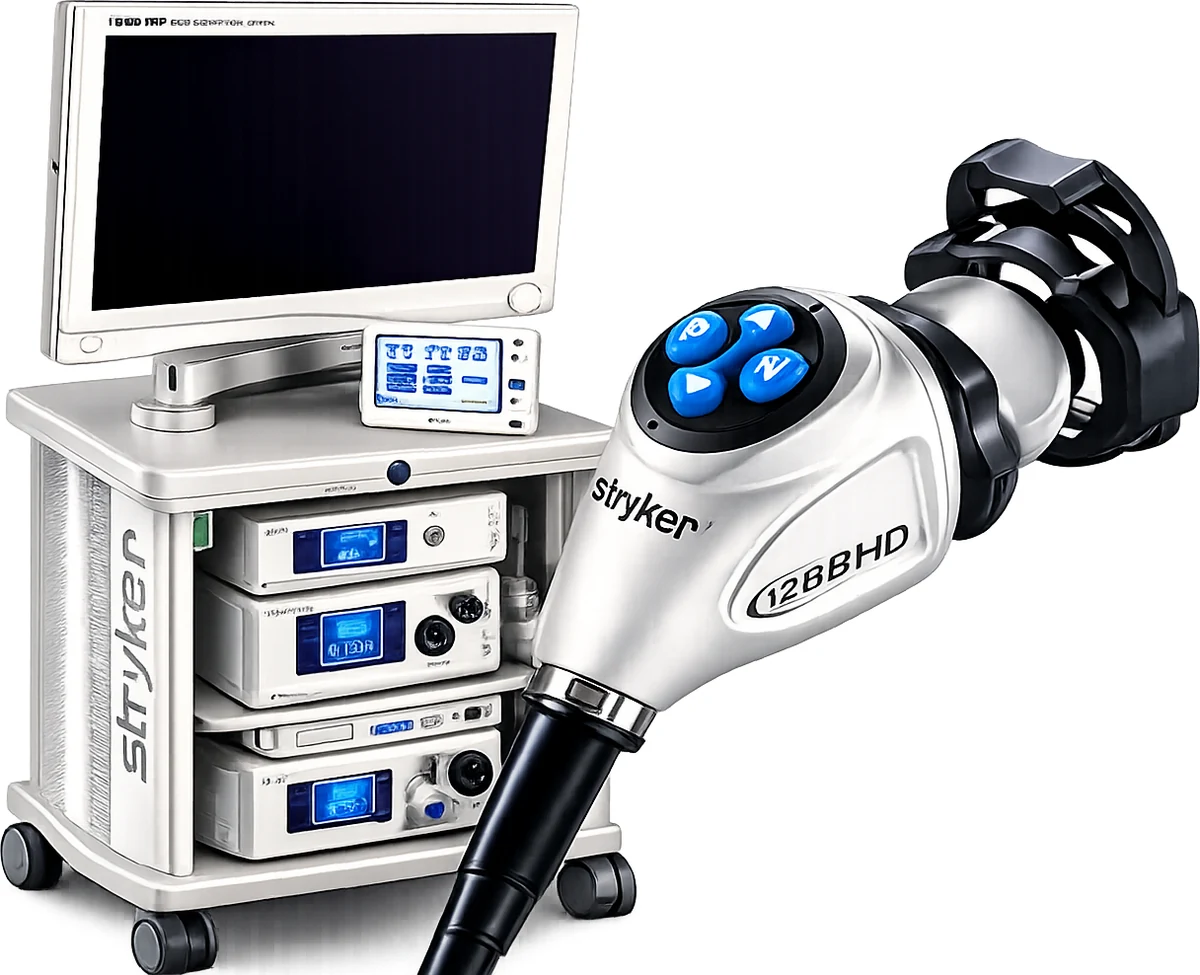
CLYVE Plastic Surgery's endoscopic forehead lift uses a FULL HD endoscope to precisely dissect nerves, muscles, and blood vessels while viewing them in detail, allowing for a more meticulous and safer surgical procedure.
Performed with minimal incision on the scalp within the hairline, resulting in barely visible scars
Minimizing damage to nerves, blood vessels, and major tissues by performing dissection using an endoscope
Minimizing bleeding by using an endoscope through small scalp incisions.

Recovery is managed with the same care as the surgery. This is CLYVE's post-operative recovery program.
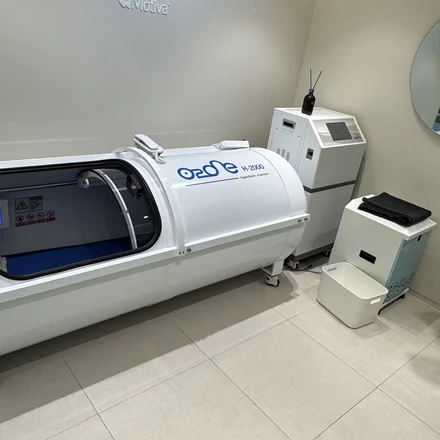
Hyperbaric Oxygen TherapyHyperbaric Chamber
Hyperbaric oxygen therapy is a program that helps supply oxygen to tissues, enabling more systematic management of the recovery process. It is provided for a more comfortable recovery after surgery.
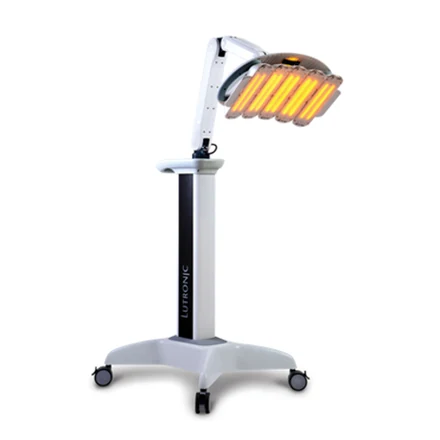
HealiteSmart LUX
Utilizing specific wavelengths of energy, it aids cell activation and tissue recovery, as well as alleviating post-surgical swelling and bruising, and can help with skin regeneration and scar management.

Shampoo Service
We provide shampoo service to minimize discomfort after endoscopic forehead lift. Our meticulous post-operative care, attentive to even the smallest details, enhances satisfaction with recovery.

Scar Management LaserFractional CO2
After surgery, laser care is performed on the incision area to aid skin regeneration and tissue recovery, supporting stable healing.
The post-operative care program may vary depending on the scope of surgery and recovery progress, and detailed information will be provided during consultation.

Firmly anchoring sagging tissues to ensure stable maintenance of the lifting effect.

Depending on the individual's condition, incision points (5Point) are determined within the hairline, and a minimal incision (approx. 1cm) reduces the burden of incision and concerns about scarring.

During dissection, we incise at a 45° angle, which is the direction of hair growth and an angle that does not damage hair follicles, thereby preserving hair follicles and maximizing preservation of the frontal muscle and supraorbital nerve, significantly reducing the risk of sensory loss and hair loss.
High-definition endoscopy precisely identifies major nerves and tissues, minimizing tissue damage and reducing concerns about scalp sensory loss.