
CASE 01
Improvement of upper facial sagging
(eye shape, outer corner of eye sagging)

 Surgery Time1 Hour
 Anesthesia MethodSedation Anesthesia
 Suture removalAround 7 days
 Recovery Period3-5 days
* Surgery time and recovery period may vary individually.
Delicate Design, Precise Transformation
Divided into upper, mid, and lower face
This is a lifting surgery that selectively improves only the areas of concern for sagging.
Instead of pulling the entire face at once, we precisely address only the area of most concern
and only as much as needed, so the burden is reduced
while still treating the SMAS layer, the fundamental cause of sagging.
Depending on the location where sagging began, the approach and incision line vary.
Improvement of upper facial sagging
(eye shape, outer corner of eye sagging)

Midface Sagging Improvement
(Anterior Cheek Sagging, Nasolabial Folds)

Lower face sagging improvement
(Jawline sagging, marionette lines)
If only the skin surface is pulled, the surgical effect is insufficient and fundamental sagging improvement is not achieved.
The skin layer, fat layer, and SMAS layer must be pulled together to achieve the maximum lifting effect, and
the effect lasts longer.
 Before Surgery
 1 Month After Surgery
 Before Surgery
 1 Month After Surgery
This photo is an actual surgical case, and surgical results and recovery progress may vary by individual.
By making minimal incisions inside the hairline and precisely accessing the SMAS layer,
only the sagging areas are selectively dissected and lifted.

Through thorough consultation and examination before surgery, we meticulously design the procedure according to the degree of wrinkles, age, and individual characteristics.

Considering the degree of sagging, an incision of about 4-5 cm is made along the inner scalp hairline or behind the ear.

Considering the individual's degree of sagging, we finely adjust the lifting tension, precisely dissect the retaining ligaments, excise excess skin, and then firmly fix it.

The incision area inside the hairline is meticulously sutured to ensure the scar is as inconspicuous as possible.
Instead of forcibly pulling the skin, we sufficiently dissect the sagging tissues to allow them to move freely before lifting.
This reduces the burden on the skin and allows for a more natural lift.
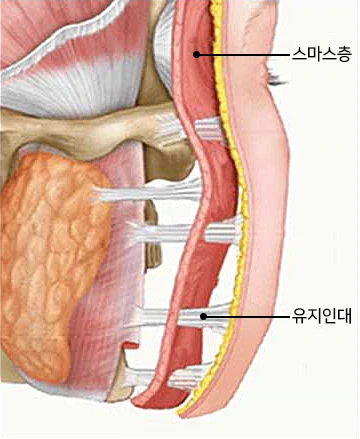
Inadequate dissection
If forcibly pulled without proper dissection, the continuous outward tension makes fundamental improvement of facial sagging difficult and can result in significant scarring.
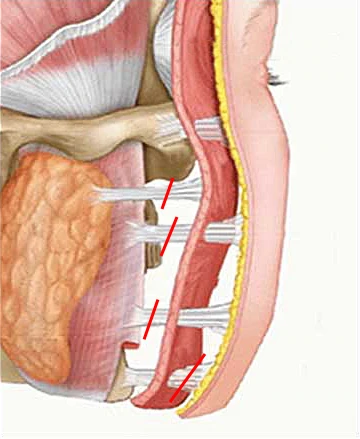
CLYVE face lift: Reliably severing retaining ligaments
and proper dissection.
Because interfering ligaments are properly and safely dissected and precisely cut, there is no need for excessive pulling, resulting in natural improvement of sagging with minimal scarring.
We recommend customized lifting surgery after checking various factors such as individual skin elasticity, degree of sagging, and patient needs
.


Recommended steps are determined based on a 1:1 consultation and examination, and the recommended type and surgery time may vary depending on the individual.
Based on micro-incisions, precise 1mm sutures, and meticulous hemostasis,
we minimize scars and tissue damage, achieving highly refined lifting results.
 Semi lift (upper face) — 3 days after surgery
 1 Month After Semi-Face Lift (Upper Face) Surgery
 Semi-Lift (Upper Face) 6 Months Post-Surgery
 7 days after semi-face lift (lower face) surgery
 Semi-Face Lift (Lower Face) 1 Month Post-Surgery
 Semi-Lift (Lower Face) 5 Months Post-Surgery
This photo is of an actual surgical case, and recovery progress and scar condition may vary by individual.
Recovery is managed with the same care as the surgery. This is CLYVE's post-operative recovery program.
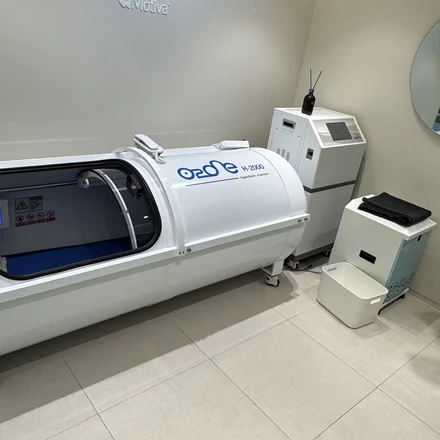
Hyperbaric Oxygen TherapyHyperbaric Chamber
Hyperbaric oxygen therapy is a program that helps supply oxygen to tissues, enabling more systematic management of the recovery process. It is provided for a more comfortable recovery after surgery.
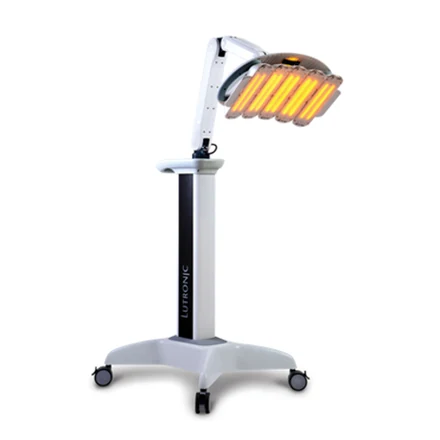
HealiteSmart LUX
Utilizing specific wavelengths of energy, it aids cell activation and tissue recovery, as well as alleviating post-surgical swelling and bruising, and can help with skin regeneration and scar management.
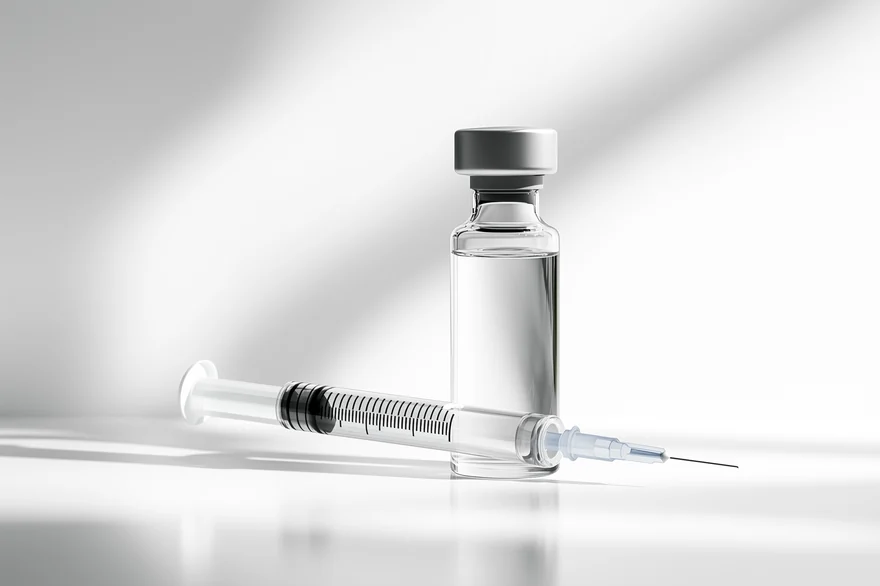
Scar InjectionScar Injection
If the scar at the incision site becomes firm or red after surgery, scar injections can help alleviate excessive scar tissue proliferation, promoting a smoother and more stable recovery.
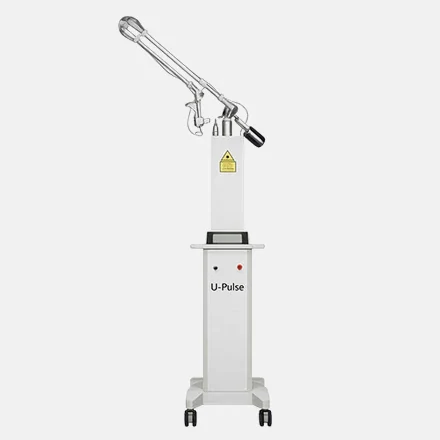
Scar Management LaserFractional CO2
After surgery, laser care is performed on the incision area to aid skin regeneration and tissue recovery, supporting stable healing.
The post-operative care program may vary depending on the scope of surgery and recovery progress, and detailed information will be provided during consultation.

Beyond the skin surface, we lift multiple layers including the SMAS and deep tissues for a firmer, more resilient improvement.

By improving not only the skin but also deep tissues, you can expect natural and highly satisfying changes.

We improve firmness by pulling not only the skin surface but also the fascial layer (SMAS) and deep tissues together.

The fascial layer (SMAS) and retaining ligaments are meticulously dissected according to anatomical structures to achieve a more definitive lift.